



Healthy eating doesn’t mean giving up the Nigerian foods you love. In fact, many everyday Nigerian ingredients can be part of a balanced and nutritious diet.
The key is understanding how to build your meals and how often you eat certain foods.
Start With More Whole Foods
A healthy Nigerian meal can start with simple ingredients you already know.
Foods such as vegetables, beans, whole grains, fruits, fish, eggs, and unprocessed meats can provide important nutrients your body needs.
Instead of relying heavily on highly processed foods, try making more meals from fresh ingredients.
Add More Vegetables to Your Meals
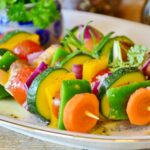
Vegetables can add fibre, vitamins, minerals, and variety to your meals.
Try adding vegetables such as:
- Ugu
- Spinach
- Okra
- Tomatoes
- Carrots
- Cabbage
- Green beans
- Garden eggs
- Peppers
You don’t have to completely change what you eat. Simply adding more vegetables to familiar meals can make a difference.
Choose Your Protein
Protein helps support muscles and keeps you satisfied after meals.
Common Nigerian protein options include:
- Beans
- Eggs
- Fish
- Chicken
- Lean meat
- Moi moi
- Akara
The way food is prepared also matters. Grilling, steaming, boiling, or using moderate amounts of oil can be useful alternatives to frequent deep-frying.
Don’t Forget Your Portions
Even nutritious foods can contribute to overeating when portions are consistently too large.
A simple approach is to include vegetables, a source of protein, and a reasonable portion of carbohydrates in your meal.
For example, rice can be paired with vegetables and grilled or steamed fish instead of making rice the only major component of the plate.
Healthy Eating Can Still Be Enjoyable
You don’t have to stop eating Nigerian food to eat better.
From vegetable soups and beans to grilled fish, fresh fruits, whole grains, and traditional meals prepared with balanced portions, there are plenty of ways to enjoy familiar foods while making thoughtful choices.
Good food can be nutritious, familiar, and enjoyable at the same time.